
our projects
ON-GOING PROJECTS
Enhancing Food Sovereignty and Resilience through Agroecological Practices in the Mbororo Fulani Community, Ntahbang – Bamenda, Cameroon
This initiative seeks to enhance food security and sovereignty, build community resilience, and foster sustainable agricultural practices aligned with national and international advocacy for agroecology, climate resilience, and indigenous rights.
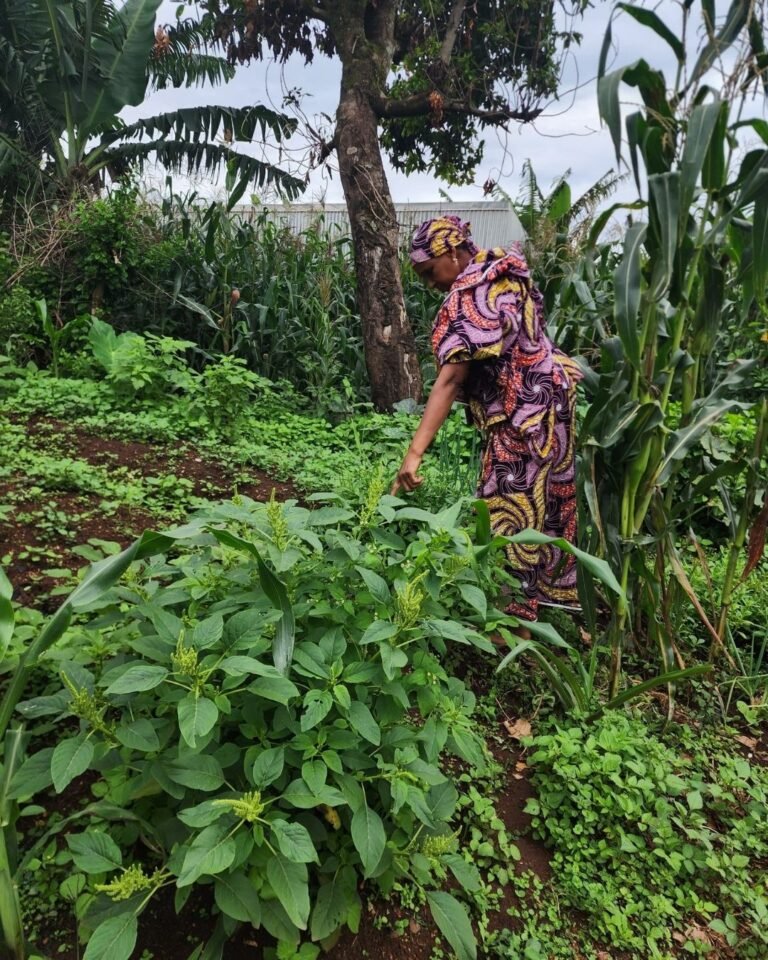
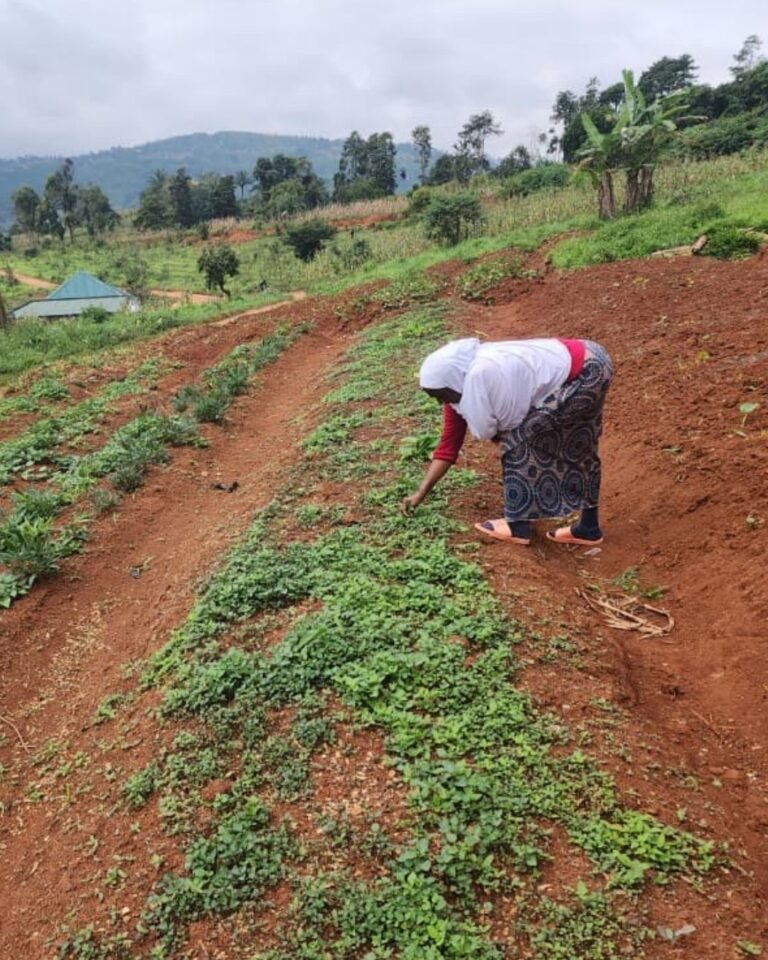
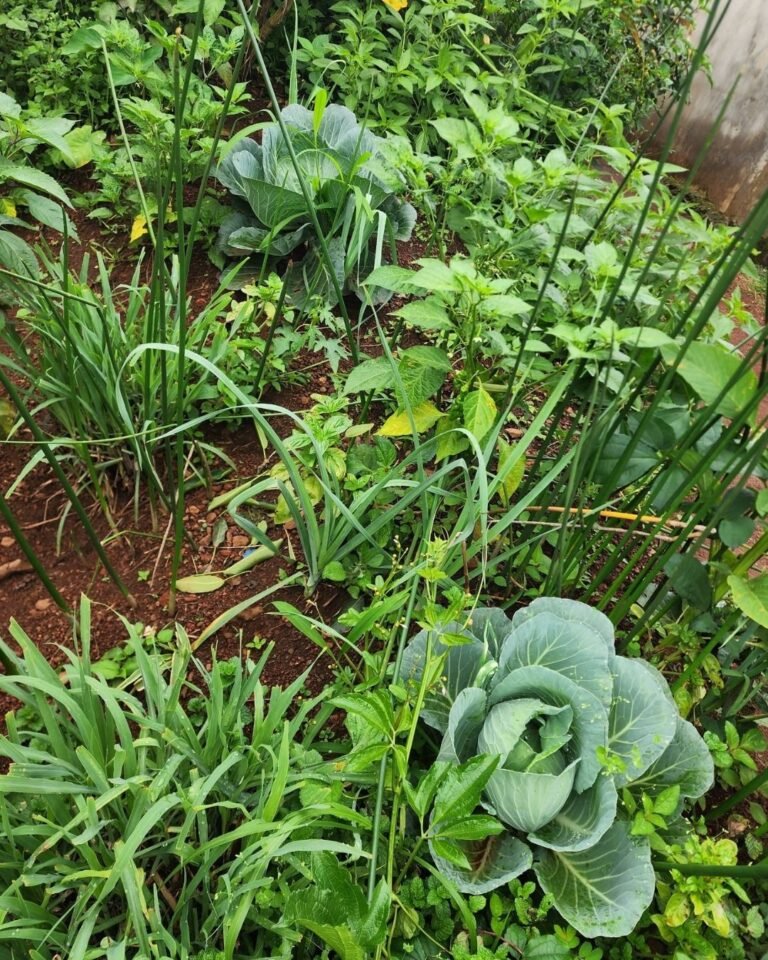
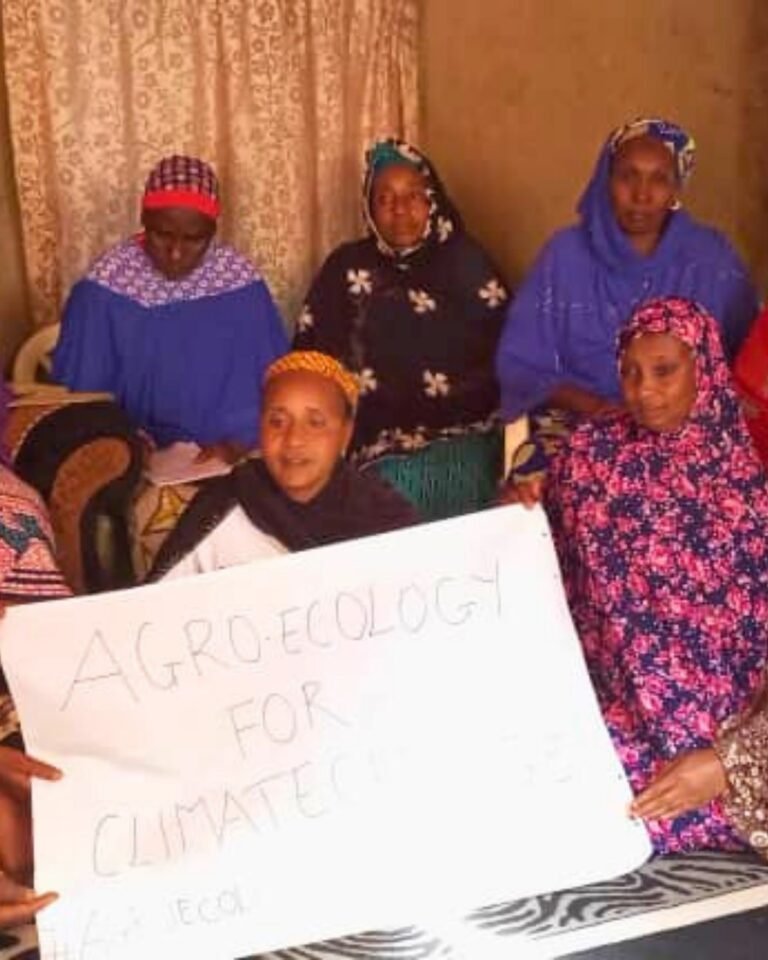
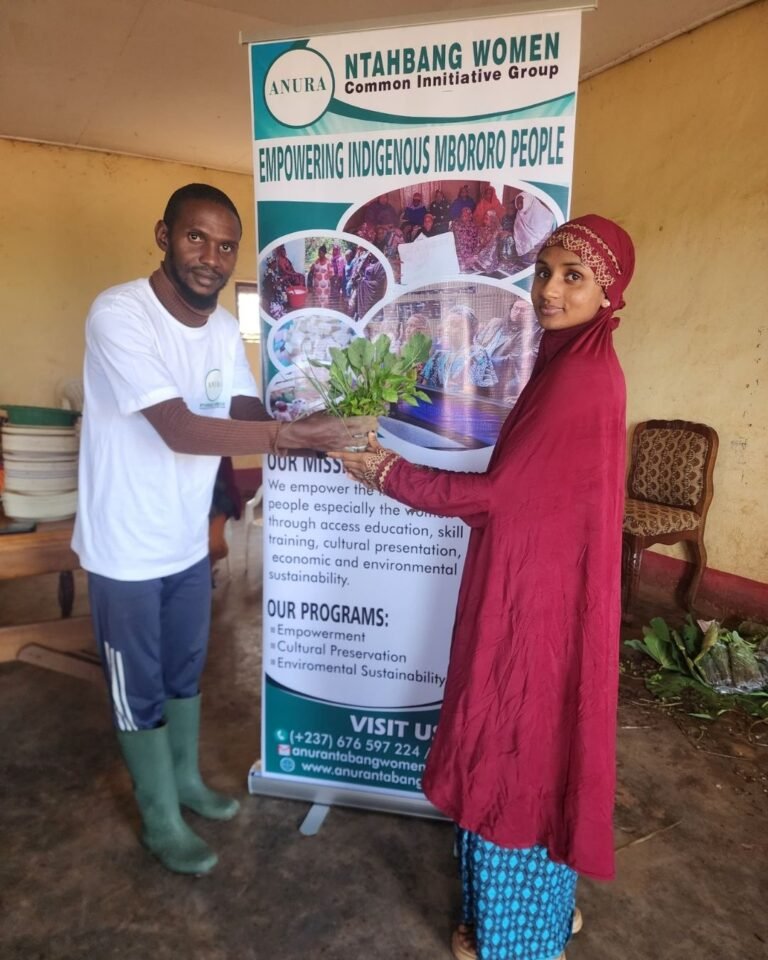
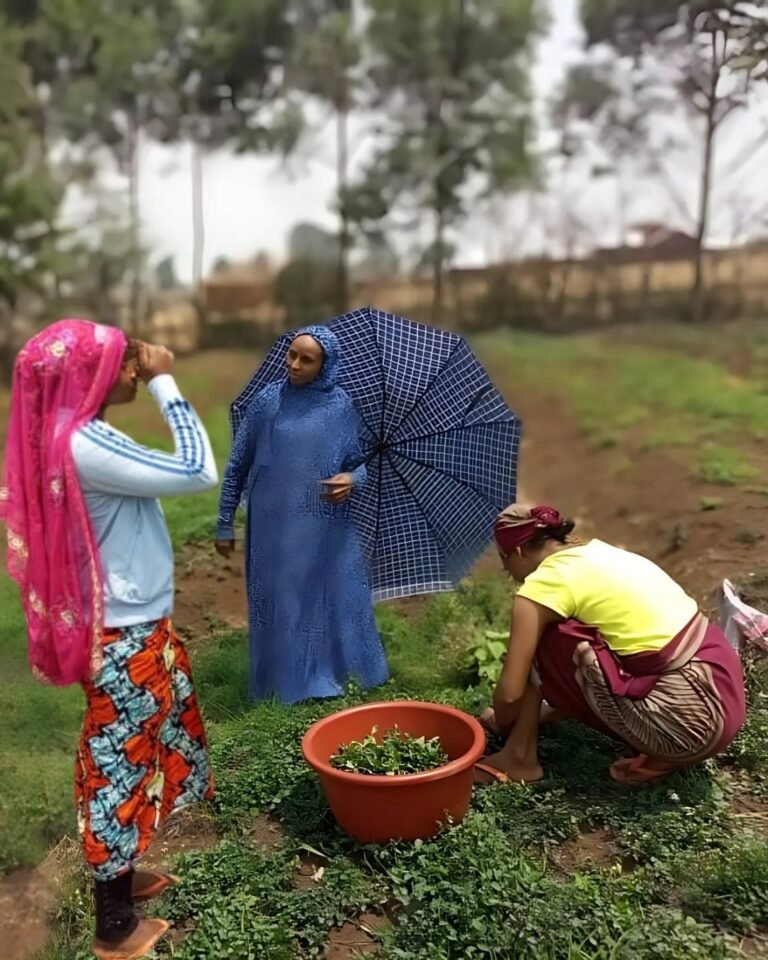
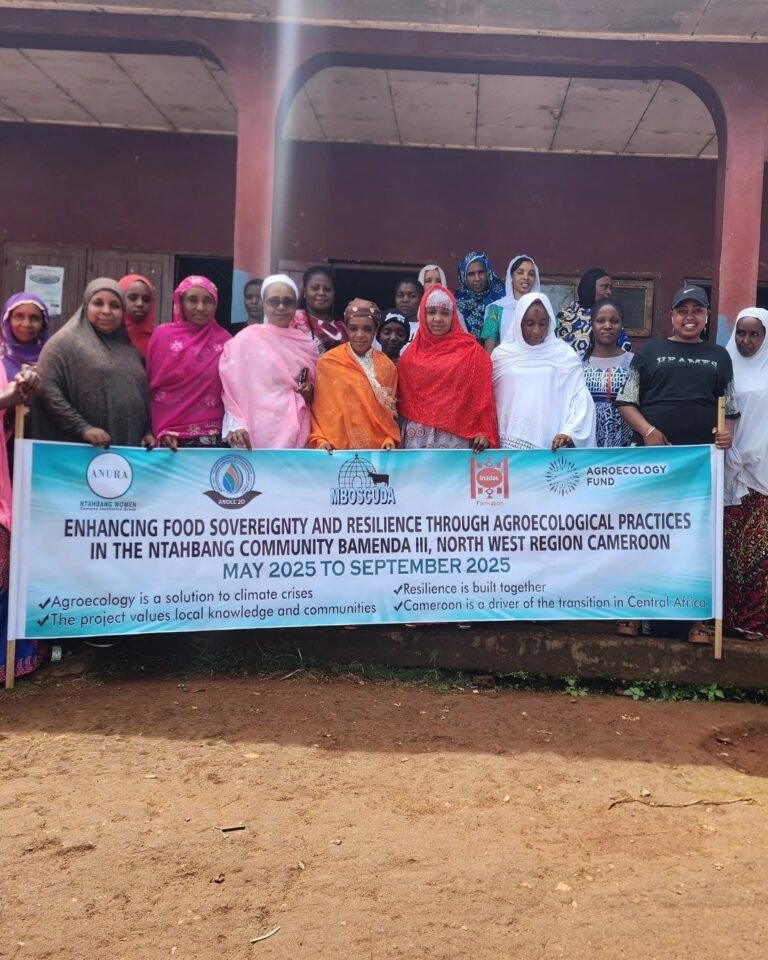
This agroecology project is a six-month grassroots initiative aimed at promoting sustainable farming practices, enhancing food sovereignty, and strengthening community resilience in Ntahbang, Bamenda, Cameroon.
Led by Anura Ntahbang Women CIG, in collaboration with MBOSCUDA and INADES Formation, the project empowers local farmers—especially women and youth—through hands-on training in agroecological methods such as organic composting, crop diversification, natural pest control, and home gardening.
By integrating indigenous knowledge with sustainable techniques, the project supports healthier ecosystems, improved nutrition, and income-generating opportunities—while fostering a farming system that respects people, culture, and the planet.
Running from May to September 2025, the project is a step toward a more just, self-reliant, and climate-resilient future for the Mbororo Fulani community and beyond.
This project aims to strengthen food sovereignty and climate resilience in Ntahbang, Bamenda by empowering local farmers with agroecological knowledge and resources. Through hands-on training, organic input distribution, home gardening, and small-scale chicken farming, the initiative promotes sustainable land management, improves nutrition, and supports income generation—while engaging the community in advocacy for environmentally responsible and culturally rooted farming practices.
Improved Food Security: Increased access to diverse, nutritious, locally grown foods.
Stronger Community Resilience: Widespread adoption of climate-smart agroecological practices.
Empowerment of Women and Youth: Enhanced skills, confidence, and leadership in sustainable agriculture.
Environmental Gains: Healthier soils, reduced reliance on chemical inputs, and greater biodiversity in local ecosystems.
Project will run from may to september 2025 on a budget of 1,500,000 FCFA
ON-GOING PROJECTS
ENTREPRENEURSHIP IN INDIGENOUS YOUTHS
A workshop on promoting entrepreneurship in Indigenous youths in the Northwest region by ANURA NTAHBANG WOMEN CIG-July 2023
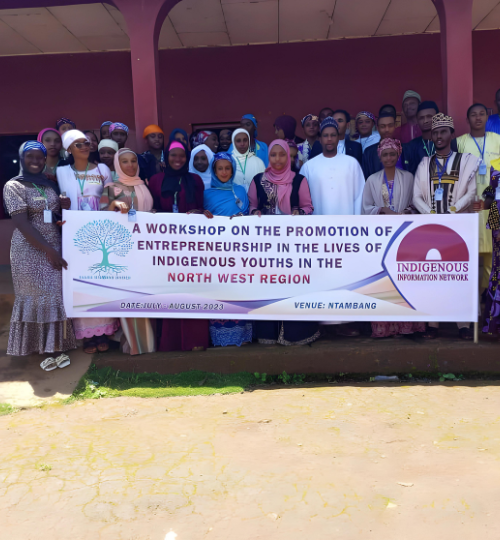
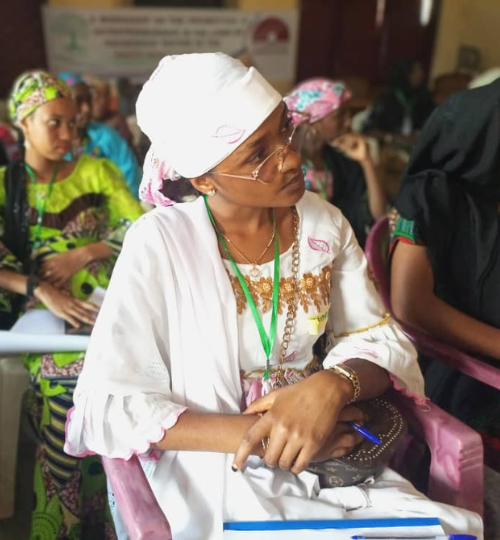
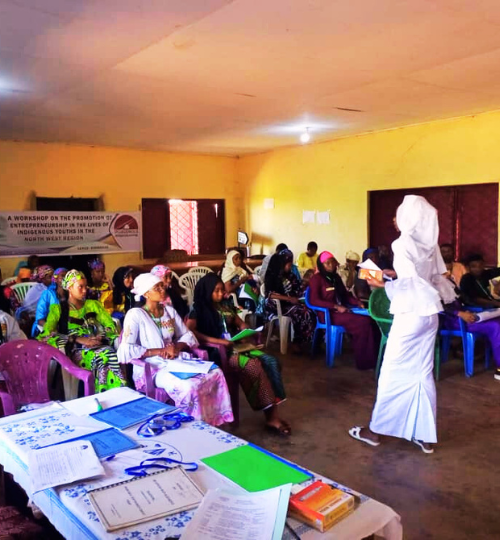
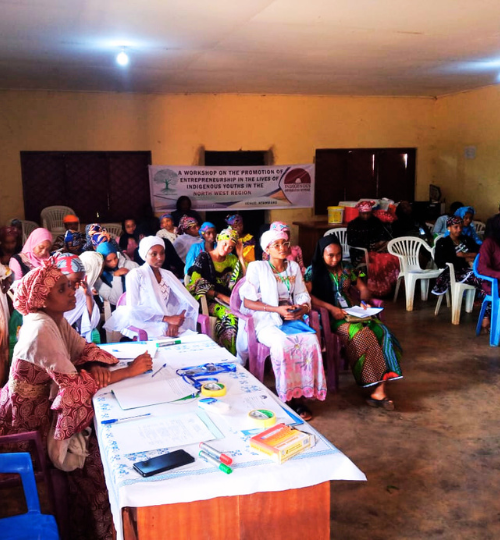
The project aims to promote entrepreneurship among indigenous youths in the North West Region, specifically targeting the Fulani community. Through workshops and awareness campaigns, it seeks to instill an entrepreneurial mindset and equip them with the skills needed to start and sustain businesses. Additionally, the project aims to increase the ownership of businesses among Fulani youths, emphasizing the importance of financial literacy and providing guidance and mentorship to ensure the sustainability of their ventures.
- Encourage entrepreneurial involvement among Fulani youths in the North West Region through workshops and awareness campaigns.
- Increase the percentage of Fulani youths who own businesses from 23.6% to at least 90% by providing them with the necessary skills, resources, and financial literacy.
- Successful organization of workshops and awareness campaigns on entrepreneurship.
- Increase in the percentage of Fulani youths owning businesses.
- Establishment of an entrepreneurial development center or platform for continuous guidance and mentorship.
- Education provided on running successful businesses despite security and economic risks in the region.
Project lasted for 3 months on a budget of $1000
UP-COMING PROJECTS
Bridging the Gap: Strategies to Increase Educational Opportunities for Mbororo Girls
Empowering Mbororo Girls Through Education: Breaking Barriers, Building Opportunities.
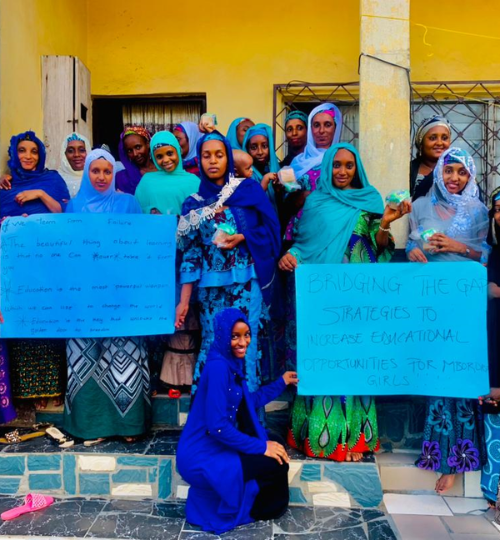
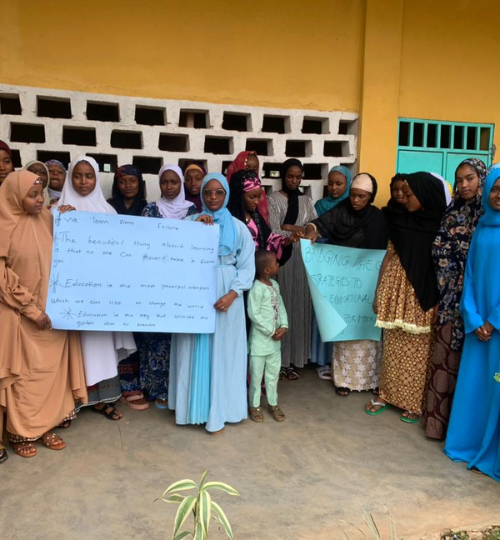
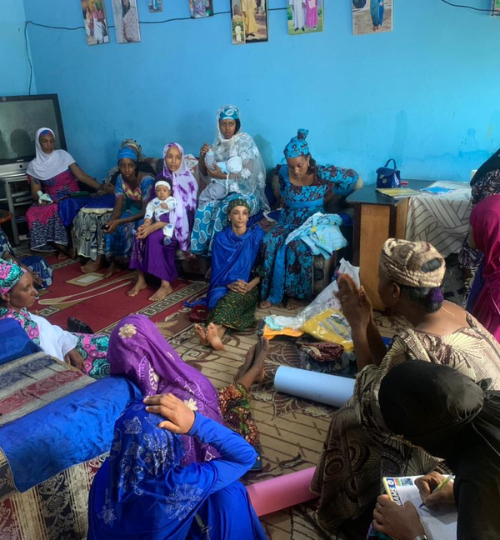

The proposed project aims to investigate strategies for increasing educational opportunities for Mbororo girls in Cameroon. The Mbororo community faces significant challenges in enrolling and retaining their daughters in school due to cultural, geographic, socioeconomic, and discriminatory factors. Limited access to education has detrimental consequences, perpetuating gender inequalities and hindering national development efforts. The project seeks to address these challenges by identifying barriers and exploring successful interventions to enhance access to education for Mbororo girls.
- Identify the barriers hindering Mbororo girls’ access to education.
- Explore effective strategies to improve educational opportunities for Mbororo girls.
- To be achieved
The fieldwork is expected to last for about 16 weeks, with 10 days dedicated to each community. 8. Activity Timeline: March – August